
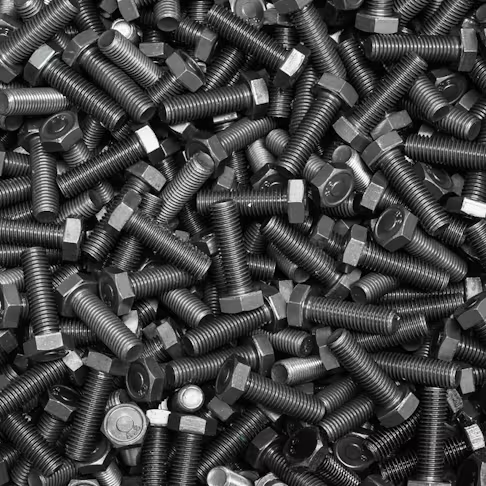
Black Oxide Coating is a chemical conversion finish used primarily on ferrous metals to improve appearance and provide mild corrosion resistance. Black Oxide Coating results from a chemical reaction between the iron on the surface and an alkaline salt solution. The finish transforms the outer layer into magnetite (Fe3O4), which presents a deep black color. Manufacturers select the method for precision parts because the process adds negligible dimensional thickness to the component.
The treatment finds use on gears, fasteners, and firearm components. Subsequent sections describe the mechanics of the chemical bath and the specific steps in the application.
The process involves immersion in an alkaline solution at temperatures from 285°F to 295°F. Subsequent rinsing and sealing stages ensure the longevity of the finish. The text explores the benefits of stainless steel and medium carbon alloys. Users find details on the industrial applications across the automotive and medical sectors. Comparison to anodized aluminum finishes highlights the differences in oxide formation. Safety protocols and design considerations for CNC machined parts receive detailed attention. The reliability of the finish depends on the quality of the post-treatment sealant (oil or wax). Standard thickness for the layer stays from [0.00006 to 0.0001] inches. The procedure remains a standard in the manufacturing industry for its efficiency and low cost.
- What Is Black Oxide Coating?
- What Is Black Oxide Coating?
- What Is Black Oxide Coating?
- What Is Black Oxide Coating?
Black oxide coating is a chemical conversion process that forms a black layer on metal surfaces. The procedure involves the immersion of ferrous parts in an alkaline salt solution at specific temperatures. The chemical reaction converts the surface iron into a stable magnetite layer. The coating maintains the original dimensions of the part because no material is added to the exterior. Precision components (gauges and surgical tools) benefit from the zero-build properties of the finish. The finish enhances the aesthetic appearance by providing a uniform matte or glossy black surface. Basic corrosion resistance comes from the combination of the oxide layer and a topical sealant. The finish reduces light reflection, which is essential for optical equipment and firearms. Standard thickness for the layer stays from [0.000005 to 0.000010] inches. The process remains cost-effective compared to electroplating or powder coating. Industrial sectors rely on the finish for its functional and decorative balance. The reliability of the barrier depends on the integrity of the final oil film.
How Does Black Oxide Coating Work?
Black oxide coating works by initiating a chemical reaction from the iron on the part surface and an oxidizing salt solution. The bath contains a mixture of sodium hydroxide, sodium nitrites, and sodium nitrates. High temperatures facilitate the conversion of iron into black iron oxide (Fe3O4). The oxide layer integrates into the substrate rather than sitting on top as a separate coating. The chemical bond ensures the finish does not chip or peel under mechanical stress. Porosity in the magnetite layer allows for the absorption of oils and waxes during the final stage. The secondary sealant provides the primary defense against oxidation and moisture. The depth of the black color depends on the duration of the immersion and the concentration of the chemicals. Continuous monitoring of the bath temperature ensures a consistent reaction across the entire surface. The process creates a non-reflective finish suitable for high-glare environments. Correct chemistry management prevents the formation of red rust during the treatment.
What Happens During the Black Oxide Coating Process?
The Black Oxide coating process happens when the metal surface forms a black oxide layer through chemical reactions. The operation begins with thorough cleaning to remove grease and scale from the parts. The metal reacts with chemicals (sodium hydroxide) in a hot alkaline bath. Surface iron converts to magnetite as the oxidizing agents donate oxygen to the metal atoms. The reaction proceeds until a stable and uniform layer covers the component. Rinsing stages remove residual salts to prevent the formation of white blooms on the finished part. The final step involves the application of a supplementary coating (oil or lacquer) to fill the pores of the oxide. The sealant prevents moisture from reaching the base metal. The chemical transformation results in a durable finish that resists mild abrasion. The absence of electrical current distinguishes the method from anodizing or plating. Uniformity is achieved on complex internal geometries and blind holes. The sequence ensures a professional result for high-volume manufacturing.
Does Black Oxide Change the Surface of Metal? Yes, black oxide changes the surface of metal by converting the outer layer into a chemical oxide. The transformation alters the molecular structure of the top [1.5 to 2.5] microns of the substrate. No material is added to the component, which preserves the original dimensional tolerances. The surface is chemically altered to form magnetite (Fe3O4) rather than red iron oxide (Fe2O3). The conversion process provides a change in color from gray to deep black. The texture of the surface remains identical to the pre-treated condition. Smooth surfaces result in glossy finishes while rough surfaces produce matte appearances. The chemical change creates a porous structure that acts as a reservoir for corrosion-inhibiting lubricants. The finish improves the durability of the component by preventing the progression of atmospheric rust. The integration of the oxide layer prevents the peeling associated with paints. Dimensional stability makes the treatment ideal for high-precision assemblies. The transformation happens at the molecular level without bulk distortion.

Why Is Black Oxide Coating Used on Steel?
Black oxide coating is used on steel to improve corrosion resistance and reduce glare. The finish enhances surface properties for components that require precise fitment. The treatment reduces reflection, which improves safety for operators of heavy machinery. The process protects the metal from oxidation when combined with a protective oil. Steel parts (fasteners and hand tools) benefit from the uniform black aesthetic. The finish does not interfere with the movement of gears or threaded assemblies. Surface hardness remains unchanged while the lubricity of the part increases. The method provides an economical alternative to chrome or nickel plating. Steel components in the automotive industry utilize the coating for engine parts and interior hardware. The absence of hydrogen embrittlement is a critical factor for high-strength steel fasteners. The finish maintains the integrity of the material properties of the metal. Corrosion protection depends on the periodic maintenance of the oil film. The treatment represents a standard finish for Steel Metal.